Mental Insights

5 Signs It May Be Time to Seek Mental Health Support in New Jersey

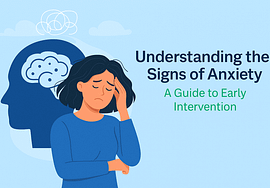
Illustration for an article on signs it is time to seek mental health support

Changes in mood, sleep, concentration, relationships, or daily functioning can sometimes signal that it is time to speak with a mental health professional. For people looking for mental health support in New Jersey, the important question is not whether a symptom feels “serious enough” compared with someone else’s experience. What matters is how persistent, distressing, or disruptive the symptoms are for you.

The National Institute of Mental Health (NIMH) recommends seeking professional help when severe or distressing symptoms persist or interfere with usual activities. Worsening symptoms or safety concerns should be addressed sooner.

5 Signs It May Be Time to Seek Mental Health Support

1. Your symptoms are interfering with everyday life

Mental health concerns deserve attention when they make it difficult to complete normal responsibilities at work, school, home, or in relationships. NIMH lists difficulty concentrating, loss of interest in usual activities, sleep changes, and trouble completing daily tasks among symptoms that can warrant professional help when they are severe or persistent.

This does not mean that one difficult day or stressful week automatically indicates a mental health disorder. A clinician considers the pattern, duration, severity, and effect on functioning.

2. Changes in sleep, appetite, energy, or concentration are continuing

Sleep problems, appetite changes, low energy, and concentration difficulties can occur with several mental health conditions, including depression and anxiety. They can also have physical or medical causes. NIMH notes that some medical conditions and medications can produce symptoms that resemble depression, which is one reason professional assessment may include discussion of physical health and current medications.

If these changes are persistent, worsening, or affecting your ability to function, consider discussing them with a qualified health care professional.

3. Worry, fear, sadness, or irritability feels difficult to manage

Everyone experiences stress, worry, sadness, and frustration. The concern increases when these experiences become persistent, disproportionate, difficult to control, or disruptive to daily life. Anxiety disorders involve more than occasional worry, and depression involves symptoms that significantly affect how a person feels, thinks, and manages daily activities.

A mental health evaluation can help clarify what you are experiencing rather than relying on self-diagnosis.

4. You are withdrawing from people or activities that usually matter to you

Loss of interest, social withdrawal, and reduced participation in activities can occur with depression and other mental health concerns. These changes are especially important to discuss when they represent a clear shift from your usual functioning or are accompanied by other symptoms such as hopelessness, sleep disruption, or difficulty concentrating.

5. You are relying on alcohol, substances, or other behaviors to cope with emotional distress

Some people respond to distress by increasing alcohol or substance use or by using behaviors that temporarily distract from difficult emotions. Increased alcohol or drug use can occur alongside depression and other mental health concerns. If coping strategies are creating additional problems or feel difficult to control, professional support may help you identify safer approaches and determine whether additional treatment is needed.

How Long Should You Wait Before Getting Help?

There is no universal waiting period for every mental health concern. NIMH advises people with severe or distressing symptoms lasting two weeks or more to seek professional help. You do not need to wait two weeks if symptoms are rapidly worsening, causing substantial impairment, or creating a safety concern.

If symptoms are milder and recent, self-care such as maintaining sleep routines, staying connected with supportive people, regular physical activity, and stress-management practices may be useful. If symptoms do not improve or become worse, speak with a health care professional.

What Kind of Mental Health Support Might Be Recommended?

The appropriate next step depends on the person’s symptoms, medical history, preferences, and clinical assessment. Mental health care may involve therapeutic support and counseling, a psychiatric evaluation, medication management when clinically appropriate, or coordination with another health care professional.

Treatment is individualized. Seeking an evaluation does not guarantee a diagnosis or mean medication will automatically be recommended.

Mental Health Support in New Jersey

Core Wellness Behavioral Health provides virtual mental health services for eligible patients. If you are looking for mental health support in New Jersey, you can learn more about our services and schedule an appointment to discuss your concerns with a qualified provider.

Schedule an appointment or contact Core Wellness Behavioral Health with questions about services, availability, and insurance participation.

When to Seek Immediate Help

A routine outpatient appointment is not a substitute for emergency or crisis care. In New Jersey, call or text 988 for 24-hour Suicide & Crisis Lifeline support if you or someone you know is experiencing a mental health, substance use, or suicidal crisis. Call 911 if there is immediate danger or a life-threatening emergency.

Frequently Asked Questions

Do I need a diagnosis before seeking mental health support?

No. You can seek professional help because of symptoms or changes in functioning even if you do not know what is causing them.

Does asking for psychiatric help mean I will need medication?

No. Medication is one possible treatment option. Recommendations depend on an individual clinical assessment, and other options may include psychotherapy, additional evaluation, or referral to another health care professional.

Can mental health symptoms have physical causes?

Yes. Some medical conditions and medications can contribute to symptoms such as changes in mood, sleep, energy, or concentration. A health care professional can determine whether additional medical evaluation is appropriate.

Sources

This article is for general educational purposes and is not a diagnosis or a substitute for individualized medical advice, emergency care, or treatment from a qualified health professional.

Filed under: Therapeutic Support
A HEALTHIER MIND   A BRIGHTER TOMORROW

You Don't Have to Do This Alone

Compassionate, evidence-based mental health care for a better tomorrow.

Professional Care
Personalized Support
A Healthier You
Mental Health Matters
HEAL  •  BALANCE  •  THRIVE

Supporting mental health through compassionate care and counselling services. We are here to help you live a healthier, more fulfilling life.

Get In Touch

Stay Connected for a Healthier You

Sign up for mental health tips, resources, and updates.

    🔒  We respect your privacy. No spam, ever.

    © 2026 Core Wellness Behavioral Health LLC. All Rights Reserved.